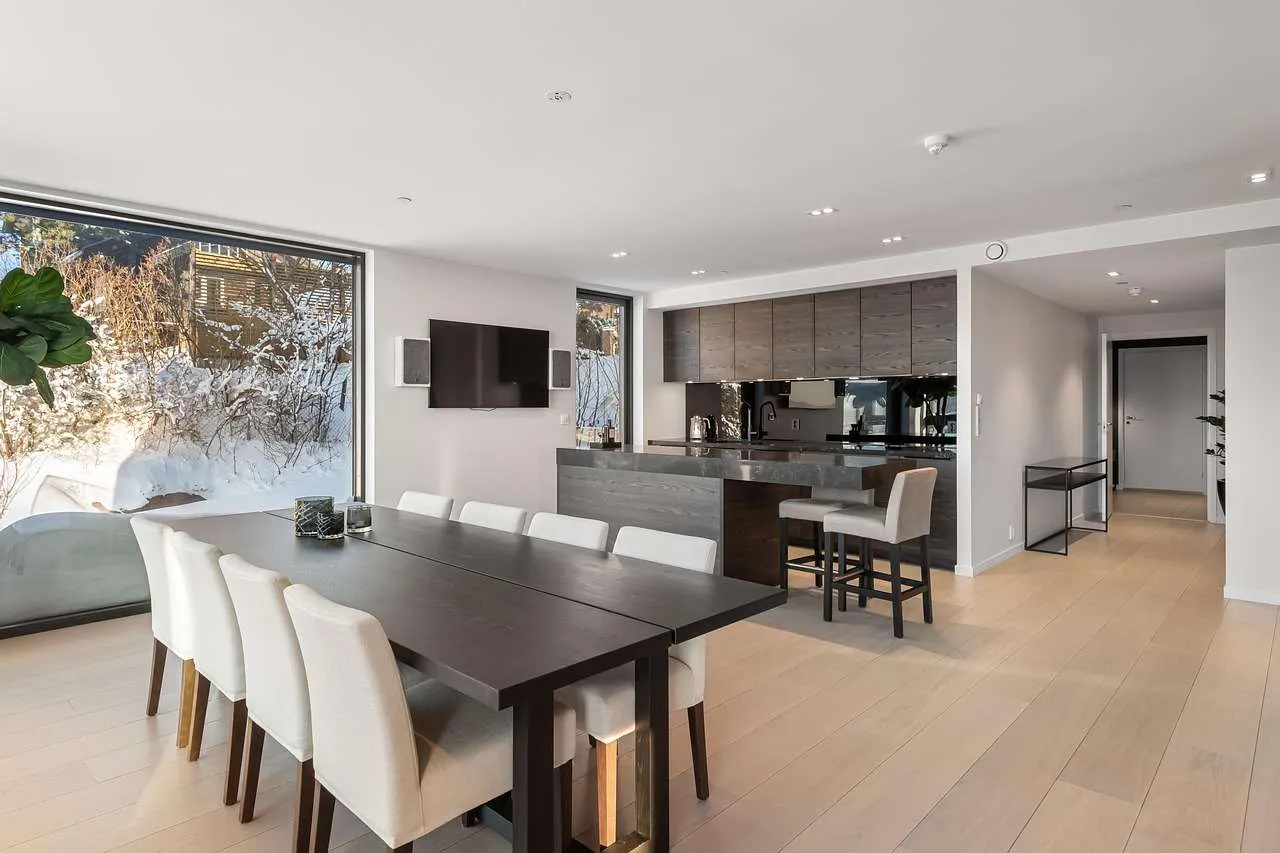
Home window tinting is a film applied to the interior surface of residential windows to reduce heat, glare, and UV exposure while preserving visibility. Modern tint films are durable, offer energy savings, and maintain the home’s curb appeal without altering exterior appearance.
Benefits of home window tinting
Energy efficiency is a primary driver. By blocking a significant portion of solar heat, tinting lowers cooling loads in hot months, which can translate into lower utility bills and a more comfortable living space.
UV protection helps preserve furnishings, flooring, and artwork from fading and reduces skin exposure to harmful rays. Most modern films block up to 99% of UV rays.
Glare reduction improves TV viewing and computer use in sunny rooms. Privacy is enhanced during the day, with many films providing visible light transmission while limiting visibility from outside.
Safety and security benefits include film that holds glass together if broken, reducing the risk of injury from shards and offering some delay to potential intruders.
Types of window tint film
Dyed window film
Dyed films are a budget-friendly option that absorbs heat and provides color and shade. They may fade over time and offer moderate UV protection, making them less durable for long-term performance.
Metalized window film
Metalized films reflect sunlight to reject heat, delivering strong heat reduction. They can interfere with electronics and cell signals and may appear slightly reflective at certain angles.
Ceramic window film
Ceramic films deliver top-tier heat rejection and UV protection without metal components, so signal interference is minimal and clarity remains excellent, though they come at a higher price.
Carbon window film
Carbon films achieve a matte finish with good heat rejection and color stability. They are a mid-range option that avoids some of the reflectivity of metalized films.
Hybrid window film
Hybrid films combine dye and metal to balance cost and performance. They offer decent heat rejection with less reflectivity and typically light interference that is manageable for most devices.
Film type snapshot
| Film Type | UV Rejection | Heat Rejection | Glare Reduction | Signal Interference | Typical Cost |
|---|---|---|---|---|---|
| Dyed | High | Medium | Medium | Low | Low–Moderate |
| Metalized | High | High | High | Moderate | Low–Moderate |
| Ceramic | Very High | Very High | High | Low | High |
| Carbon | High | High | Medium–High | Low | Moderate |
| Hybrid | High | High | Medium | Low–Moderate | Moderate |
Choosing a professional installer
Work with licensed and insured installers who specialize in residential tinting. Request samples, warranties, and a written estimate. Look for installers with certifications from film manufacturers and positive local reviews. Ask for before-and-after photos of homes similar to yours and confirm that the film complies with local laws and HOA rules.
Installation process
- Pre-installation assessment and film selection tailored to your goals and budget.
- Surface cleaning and window preparation to ensure proper film adhesion.
- Careful application by trained technicians to avoid air bubbles and creases.
- Drying, curing time, and final inspection to ensure uniform tint and warranty coverage.
Maintenance, legality, and ROI
Clean tint films with non-ammonia cleaners and soft fabrics to avoid scratching. Avoid abrasive tools. Regular checks help detect edges lifting early. Be aware of local laws dictating permitted visible light transmissions for windows; some regions require certain tint percentages on front windows.
ROI comes from energy savings, furniture protection, and comfort gains, often offsetting installation costs over time, especially in sunny climates or in homes with large glass areas.
Conclusion, home window tinting offers energy savings, privacy, UV protection, and enhanced comfort when installed properly by a qualified professional. By understanding film types, costs, regulatory considerations, and maintenance, homeowners can choose the right solution and maximize ROI.