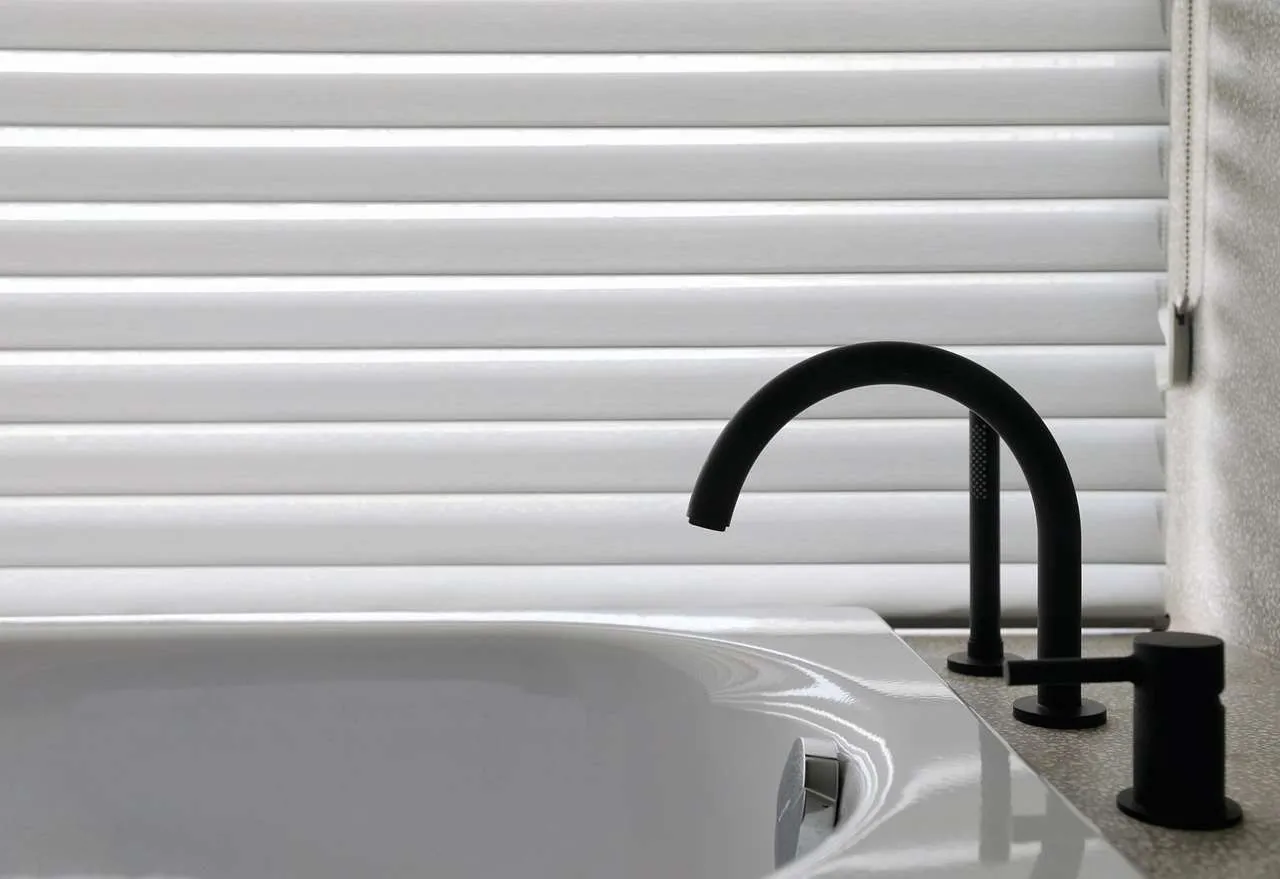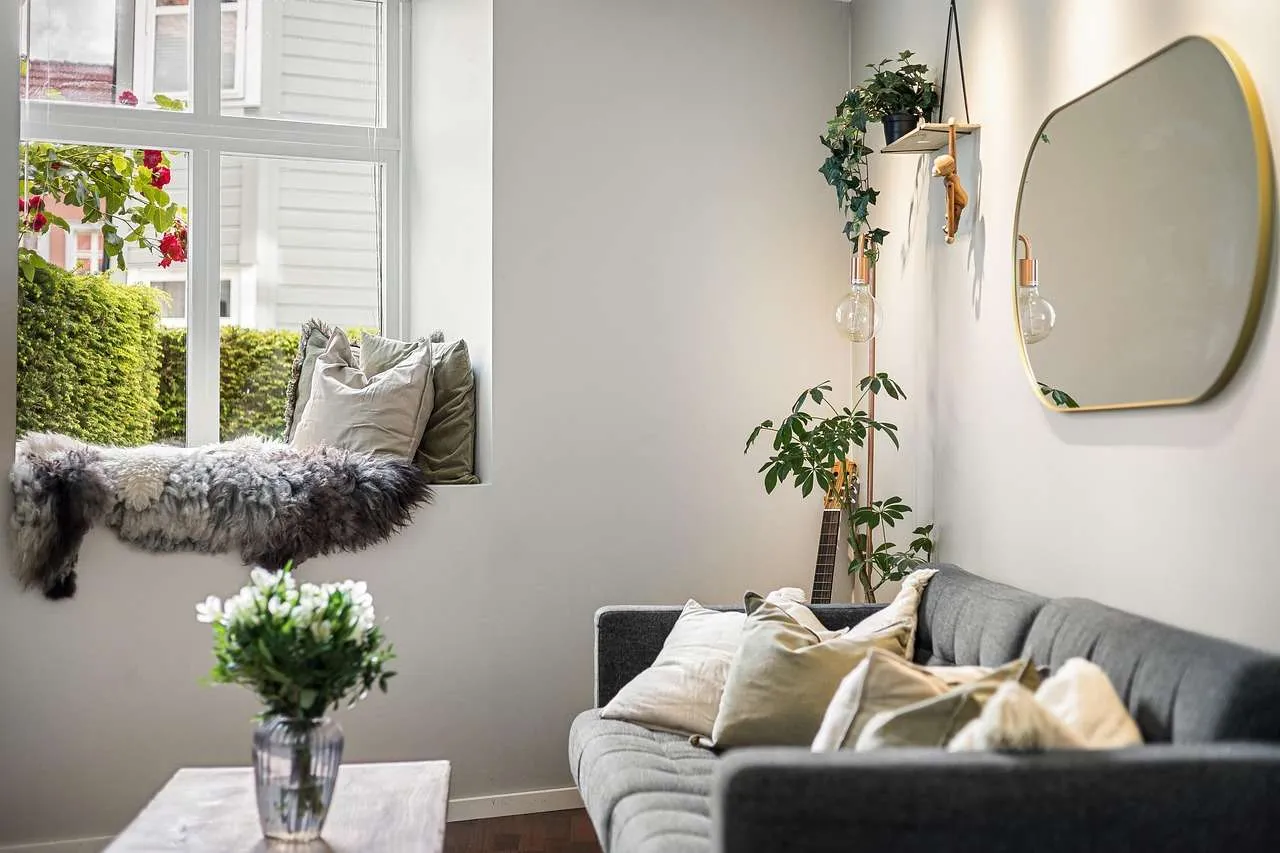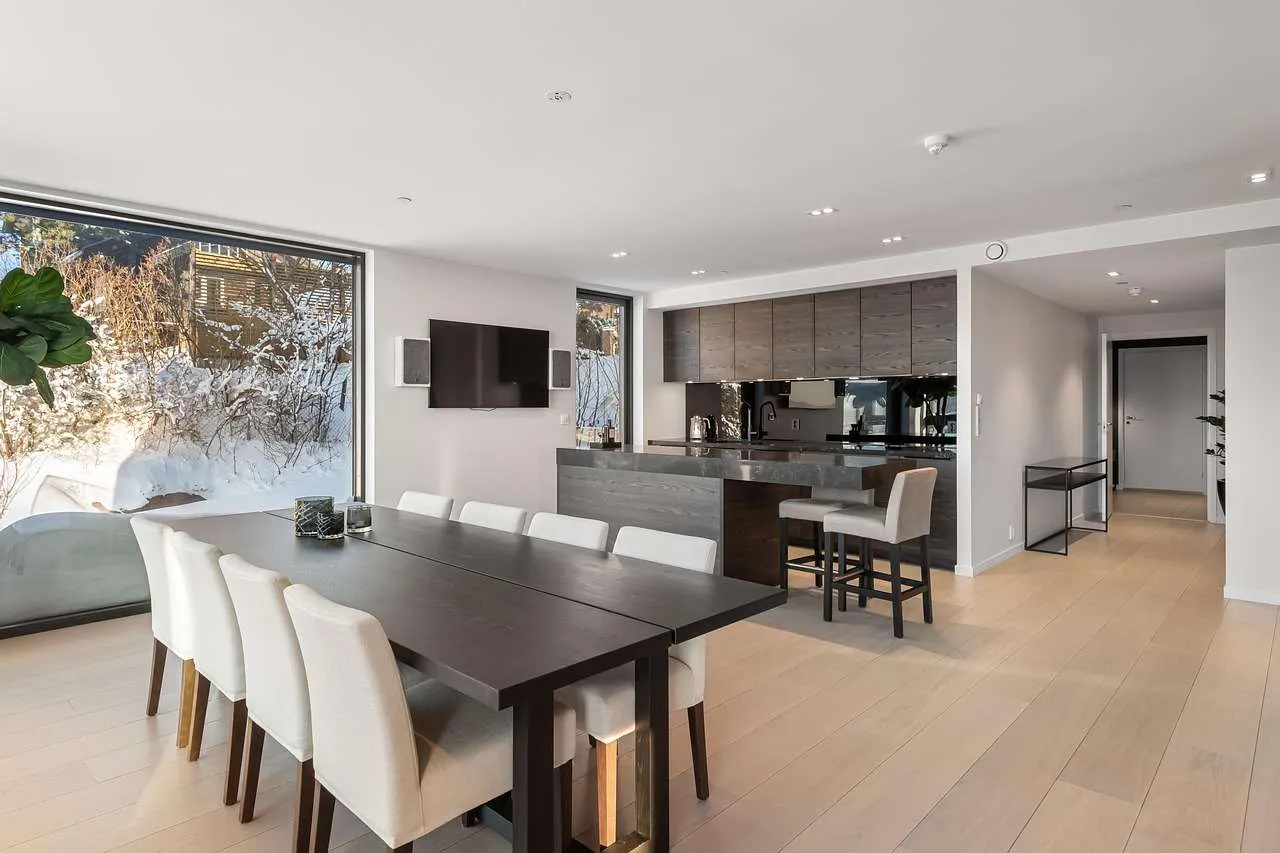
Choosing window tint for home is a smart upgrade that blends comfort, privacy, and energy savings. A quality residential film can reduce heat gain from the sun, block harmful UV rays, and protect interior furnishings—all while keeping the view to the outside. This guide covers why homeowners install window tint, how different film technologies work, and how to select and maintain the best option for your climate and budget.
Benefits of window tint for home
Energy efficiency is a primary driver. By rejecting infrared heat, tint film lowers cooling costs in summer and reduces heat transfer in winter when used with insulated glass. UV rejection protects carpets, furniture, and artwork from fading. It can also cut glare on screens and dashboards, improving comfort in living rooms and home offices. Plus, most films add daytime privacy without blocking the view from inside. Some films also offer safety benefits by holding shattered glass together.
Types of window tint for home
Dyed window film
Dyed films use color layers to absorb heat. They are cost-effective and offer a wide range of tints. Pros: budget-friendly, good for privacy if darkened. Cons: can fade, do not reject IR as well as higher-end films, may require replacement after years.
Metalized (mirror/metal) films
These films have metal particles that reflect heat and may appear reflective from the outside. Pros: strong heat rejection, added privacy. Cons: can interfere with some electronics and GPS signals, may appear shiny; not ideal for muted aesthetics.
Ceramic window film
Ceramic films use non-metallic crystals that excel at UV and IR rejection without conductivity. Pros: excellent heat reduction, preserves color accuracy, no signal interference. Cons: higher cost, but long-term savings justify.
Carbon window film
Carbon films reduce glare and absorb heat using carbon particles. Pros: non-reflective finish, strong UV protection, good color stability. Cons: mid-to-high price, less effective than ceramic in some metrics.
Reflective/metallic window film
Highly reflective or mirror-like external appearance for privacy and heat rejection. Pros: very effective, modern look. Cons: may look too dark in some lighting, may require permit in certain buildings, and can impact night-time visibility.
How to choose the right window tint for home
Consider climate: hot sunny regions benefit from higher IR rejection; colder climates may prefer films that balance light and heat. Privacy needs: choose VLT that gives privacy during the day but not reduce daylight. Aesthetics: avoid films that drastically alter exterior appearance unless desired. UV protection: ensure UV rejection close to 99-100% to protect furnishings. Health and safety: look for safety-rated films that resist shattering. Warranty and installation quality: warranty length and whether installation is performed by licensed professionals. Local regulations: some jurisdictions limit reflective films on street-facing windows or require permits.
Installation and maintenance
Professional installation ensures proper adhesion, glass preparation, and warranty coverage. DIY kits exist but misapplication can lead to bubbles, peeling, or reduced performance. If you install yourself, follow instructions, use proper squeegee technique, and avoid cleaning chemicals for a few days. Routine cleaning uses mild soap and water and a soft microfiber cloth; avoid ammonia-based cleaners that can degrade the film.
Comparison at a glance
| Type | UV Rejection | IR Rejection | Visible Light Transmittance (VLT) | Pros | Cons |
|---|---|---|---|---|---|
| Dyed | High | Moderate | High | Budget-friendly, varied tints | May fade over time |
| Metalized | High | Excellent | Medium | Strong heat rejection, privacy | Potential electronics interference |
| Ceramic | Excellent | Excellent | Medium-High | No signal interference, durable | Higher upfront cost |
| Carbon | Excellent | Good | Medium-High | Non-reflective finish, strong UV protection | Mid-to-high price |
| Reflective | Excellent | Very good | Low to Medium | Privacy and heat control, modern look | Lower daylight inside, exterior appearance |
When evaluating options, compare UV and IR rejection ratings, expected energy savings, maintenance needs, and how the tint aligns with your home's architecture and local rules. A reputable installer can provide a spec sheet for the exact film you choose and help with warranty terms.
In summary, window tint for home choices range from affordable dyed films to high-performance ceramic and carbon films. Each type offers a different balance of heat reduction, glare control, privacy, and aesthetics. The right pick depends on climate, daylight needs, security concerns, and your budget—ideally implemented by a licensed professional to maximize performance and preserve warranty.
Summary: Window tint for home offers improved comfort, UV protection, privacy, and energy savings across multiple film options. For best results, combine professional installation with a film type that matches your climate and lighting preferences; verify warranty and local codes, and maintain the film with gentle cleaning.