Mastering small bathroom ideas means balancing function with style. In compact spaces, every inch matters. The goal is to create a room that feels open, but remains functional for daily routines. With careful layout, smart storage, and reflective surfaces, a tiny bathroom can be both calm and efficient. This guide shares practical strategies to maximize space, reduce clutter, and elevate aesthetics in small bathrooms.
Space-saving layouts
Begin with a layout that keeps walkways clear and lines clean. Floating furniture, minimal fixtures, and door choices influence how large a space feels as much as color does. In especially tight bathrooms, think about sight lines: fixtures should never visually box you in.
Floating vanity
A floating vanity keeps the floor visible, creating the illusion of more space. Choose a shallow depth with a slim countertop and opt for a wall-mounted mirror or cabinet to extend vertical storage. When selecting hardware, brushed metals and slim pulls maintain a streamlined look.
Compact toilet and corner sink
Walk-through layouts benefit from a wall-mounted or compact toilet, which reduces bulk and makes cleaning easier. A corner sink or circular basin tucked into a nook preserves floor space while preserving usability for daily routines.
Shower solutions
Frameless glass shower enclosures visually expand the room by maximizing light flow. A curved shower rod or a single glass panel can minimize obstruction. If space is extremely limited, consider a shower over a tiny wet zone with a recessed niche for toiletries to avoid adding cabinet clutter.
Clever storage for small spaces
Storage is the backbone of small bathroom ideas. Prioritize built-ins, vertical space, and multi purpose furniture that blends with the design rather than competing with it.
Built-in niches and recessed shelves
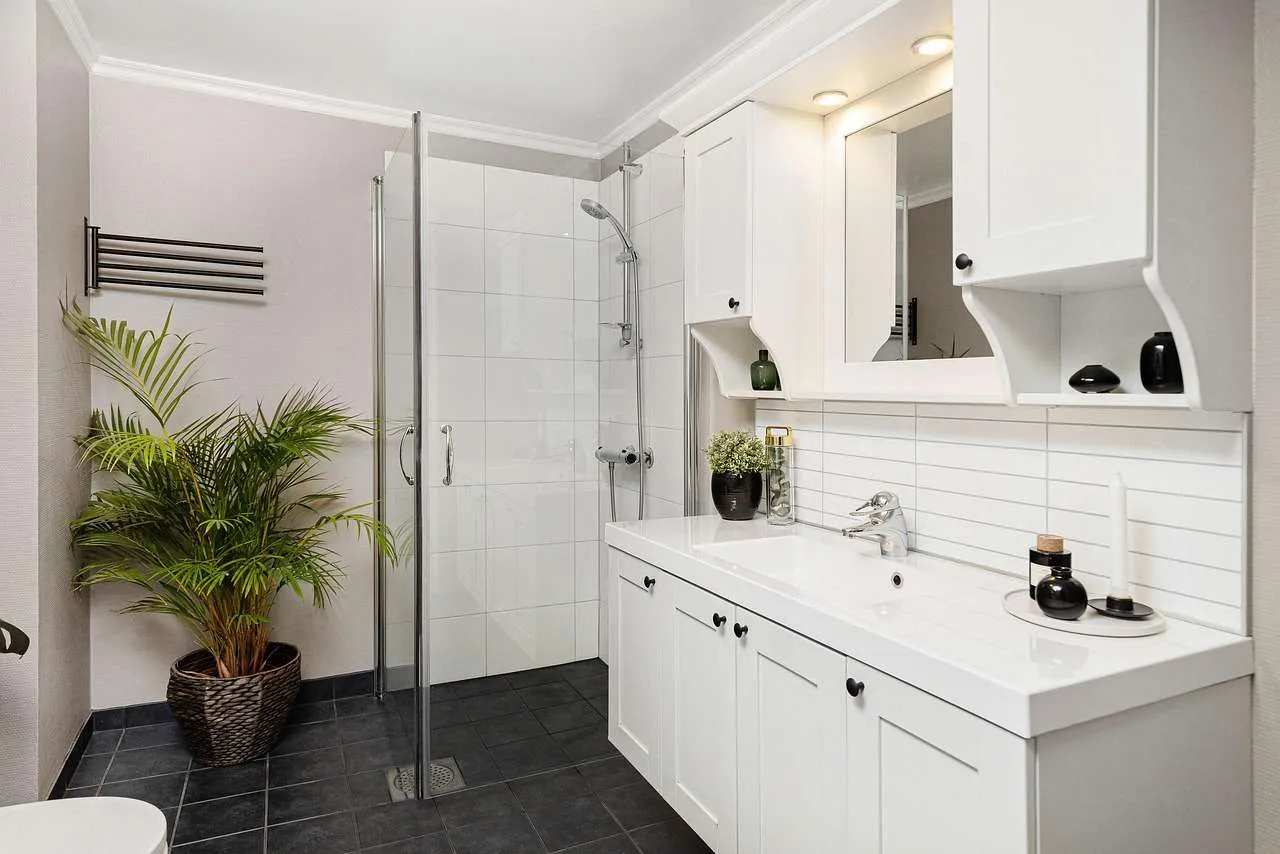
niches in the shower and above the vanity save precious surface area. They keep everyday items within reach while maintaining a clean, uncluttered surface. Recessed lighting in these niches adds a touch of luxury and enhances visibility.
Tall slim cabinets and mirrored storage
Vertical storage is a game changer in small baths. Slim medicine cabinets, tall linen towers, and mirrored cabinets reflect light while providing ample space for towels, toiletries, and first aid supplies.
Hooks, rails and baskets
Install a few well placed hooks and towel rails on the back of the door or along the wall. Baskets under the sink or on open shelving keep daily essentials organized and off the counter.
Light, color and materials
Color choices and materials influence perception more than size alone. Light hues, glossy surfaces, and large mirrors bounce natural and artificial light, making a small bathroom feel brighter and more expansive.
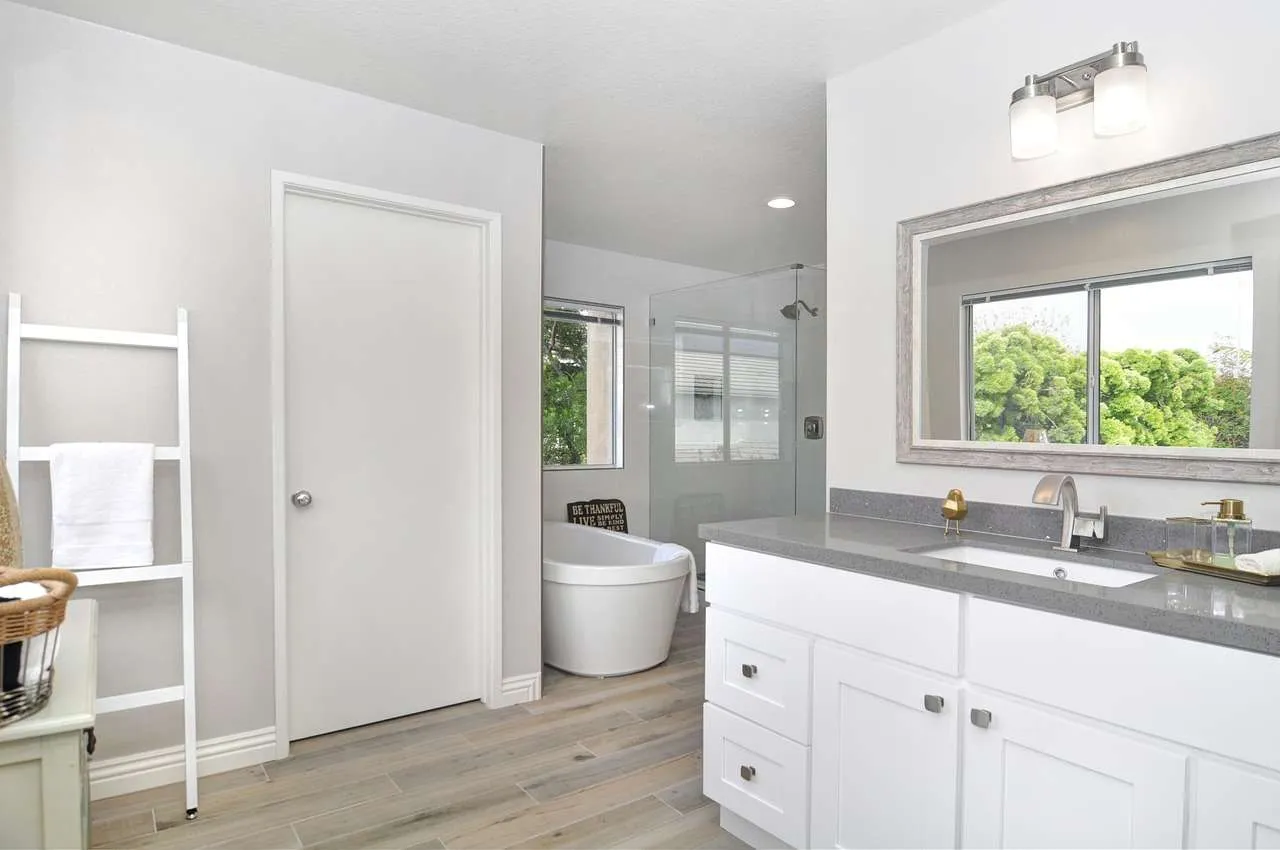
Prefer neutral palettes with occasional accents. Large-format tiles reduce grout lines and reflect more light. Glass shower enclosures, polished chrome fixtures, and white or pale gray walls reinforce a sense of airiness and cleanliness.
Fixtures and fittings for efficiency
Compact, well designed fixtures deliver maximum impact in a small bathroom. Choose pieces that suit your workflow and are easy to clean.
Toilets and sinks
Look for toilets with a short projection and a 1.0–1.28 gallon flush option for efficiency. Opt for wall-hung or pedestal sinks that provide usable counter space without crowding the footprint.
Shower and bath options
In most small bathrooms, a 36–42 inch shower enclosure with a clear door is ideal. If a tub is essential, pick a compact model with straight edges and a shallow profile that fits the space without feeling bulky.
Doors and entry
Consider a pocket door or a sliding entry to eliminate swing space. This not only frees floor area but also improves accessibility, especially in narrow layouts.
Maintenance and materials
Durable, moisture resistant materials reduce maintenance in wet environments. Porcelain and ceramic tiles, quartz counters, and sealed wood accents withstand humidity and last longer with simple care. Choose finishes that tolerate frequent cleaning without showing water spots or mold growth.
Comparison of common options
| Option | Pros | Cons | Best For |
|---|---|---|---|
| Floating vanity | Keeps floor visible; easy to clean; creates sense of space | Requires precise mounting; may expose plumbing | Very small bathrooms needing open feel |
| Corner sink | Maximizes floor space; good for L-shaped layouts | Limited counter space; less surface for daily items | Narrow footprints or corner configurations |
| Wall mounted toilet | Sleek; saves space; simplifies cleaning | Higher installation cost; requires sturdy wall support | Narrow rooms with plumbing access |
| Pocket door | No door swing; more usable width | Installation complexity; potential structural constraints | Tight entries in small bathrooms |
When planning, measure carefully and sketch a layout to anticipate how fixtures relate to door swings, plumbing lines, and electrical points. A light color palette and reflective surfaces magnify space while a restrained, yet warm decor keeps the room inviting. Good ventilation remains essential to prevent moisture build up and protect finishes over time.
Conclusion, small bathroom ideas work best when they combine intelligent layouts, storage optimized by vertical space, light colors, and durable finishes. With careful selection of compact fixtures and thoughtful planning, you can achieve a bathroom that feels larger, stays organized, and remains easy to maintain while reflecting your personal style.