In any bathroom, tile sets the foundation for durability, water resistance, and style. As a seasoned SEO expert and content strategist, I understand that homeowners search for reliable guidance on selecting the right bathroom tile, understanding material pros and cons, and planning a lasting installation. This article provides a practical, EEAT-driven overview—drawing on material knowledge, installation best practices, and maintenance insights—to help you navigate your bathroom tile project with confidence.
Types of bathroom tile
Choosing the right tile starts with understanding the main categories, each with distinct performance characteristics and looks. Here are the most common options for bathrooms:
Ceramic tile
Ceramic tiles are widely available, affordable, and easy to cut, making them a popular choice for showers and backsplashes. They are non-porous when glazed and come in a broad range of colors and patterns. For wet areas, ensure you select a fully glazed variation and pair it with a quality grout to prevent staining. Maintenance is straightforward with regular cleaning, but ceramic is less dense than porcelain and can be more susceptible to chipping in high-traffic spots.
Porcelain tile
Porcelain is a dense, low-porosity tile that performs well in bathrooms, including wet zones and floors. Its higher water resistance reduces staining risks, and it often comes in larger formats that create cleaner grout lines and a contemporary look. While porcelain can be more expensive and harder to cut, a professional installer can achieve precise layouts and reduce the risk of cracking.
Natural stone tile
Natural stone such as marble, travertine, or slate adds luxury and unique veining, elevating any bathroom aesthetic. Stone is porous by nature and typically requires sealing to limit moisture penetration. Maintenance includes periodic resealing and careful cleaning to prevent etching from acidic cleaners. Stone tiles are a long-term investment that rewards careful upkeep and appropriate seaming and waterproofing.
Glass and cement tiles
Glass tiles bring reflective surfaces and color pop, ideal for accents, niches, or shower enclosures. They resist stains well but can be slippery when used on floors unless designed with texture. Cement tiles provide bold patterns in a classic look but demand expert sealing and maintenance to preserve color and prevent moisture damage in damp environments.
Choosing the right tile for your space
Material choice is just the start. Consider these factors to match tile to your space and lifestyle:
- Water absorption and slip resistance: Look for tile specifications that indicate low porosity for bathrooms and slip-resistant textures for floors.
- Size and layout: Larger formats reduce grout lines and create a seamless look; smaller tiles excel in tight or curved areas and allow intricate patterns.
- Color and pattern: Light colors brighten small rooms; darker tones can anchor a bold design. Mix textures with caution to avoid visually heavy spaces.
- Maintenance and sealing: Natural stone and some cement tiles require sealing; glazed ceramic and porcelain tiles generally need less maintenance.
- Installation considerations: Wet-area waterproofing, proper substrate preparation, and accurate tile spacing are essential for long-term performance.
Design ideas and trends
Design trends blend function with aesthetics. Consider these ideas to craft a timeless bathroom tile plan:
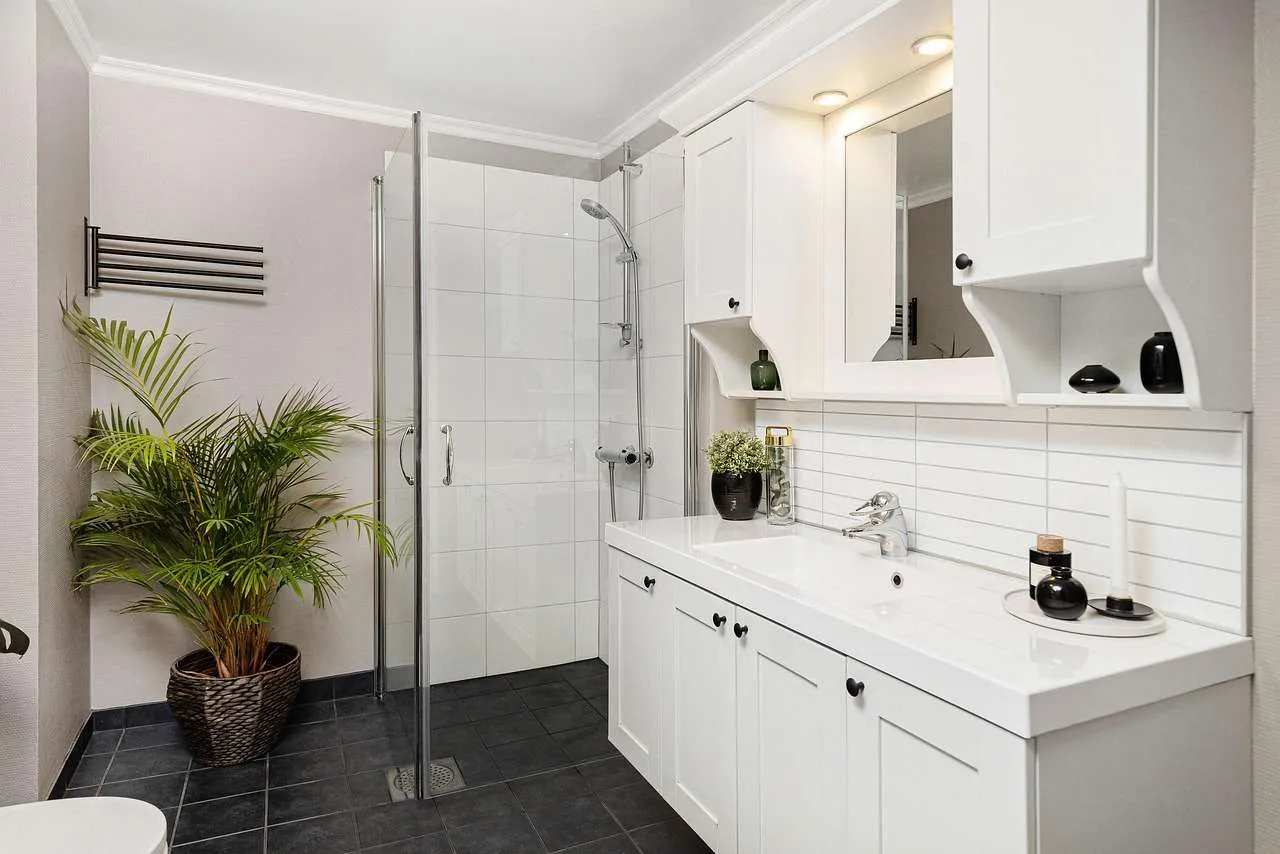
- Subway tile layouts with contrasting grout for a modern classic look
- Large-format porcelain on floors with a smaller patterned accent wall
- Glass mosaics to brighten showers or niches
- Natural stone elements for warmth, balanced with lighter walls
- Herringbone or chevron patterns to add visual interest without overwhelming the space
Installation basics and maintenance
A quality installation is the backbone of a durable tile project. For wet areas, hire a licensed contractor who follows local building codes and manufacturer recommendations. Key steps include:
- Solid substrate preparation and waterproofing in shower areas
- Appropriate thinset mortar for the chosen tile type
- Precise layout planning to minimize uneven grout lines
- Grouting with a sealant or epoxy grout in high-moisture zones
- Proper caulking at transitions and corners to prevent water intrusion
Maintenance varies by material. Ceramic and porcelain are easy to clean with mild cleaners and non-abrasive tools. Natural stone requires periodic sealing and pH-balanced cleaners. Glass tiles should be cleaned with non-ammonia cleaners to avoid dulling the surface. Regular care extends tile life and keeps the finish looking fresh for years.
Cost, durability, and value
Cost is driven by material type, size, and labor. Ceramic tiles are typically the most budget-friendly option, while porcelain, natural stone, and glass tiles sit higher on the price scale. Durability depends on usage, installation quality, and maintenance. For a long-lasting result, balance upfront material costs with ongoing maintenance requirements and plan for professional installation when possible.
Tile comparison table
| Tile type | Pros | Cons | Best for | Typical price range |
|---|---|---|---|---|
| Ceramic | Affordability, wide range of styles | Less durable than porcelain, can chip | $1 to $5 per sq ft | |
| Porcelain | Low porosity, durable, large formats | Higher cost, requires skilled cutting | Floors and showers with heavy use | $3 to $12 per sq ft |
| Natural stone | Timeless beauty, unique veining | Sealing needed, higher maintenance | Luxury bathrooms, feature walls | $8 to $25+ per sq ft |
| Glass | Brightens spaces, modern look | Slippery on floors, prone to fingerprints | Showers, backsplashes, accents | $7 to $25 per sq ft |
When planning the project, consult with a licensed professional for material specifications, waterproofing needs, and installation standards. A well-chosen tile and a skilled install deliver both beauty and resilience that stand the test of time.
Conclusion, selecting bathroom tile is about balancing function and aesthetics. By understanding material properties, layout options, and maintenance needs, you can design a bathroom that remains stylish and durable for years. Always prioritize proper waterproofing and professional installation to safeguard your investment and achieve a flawless result.